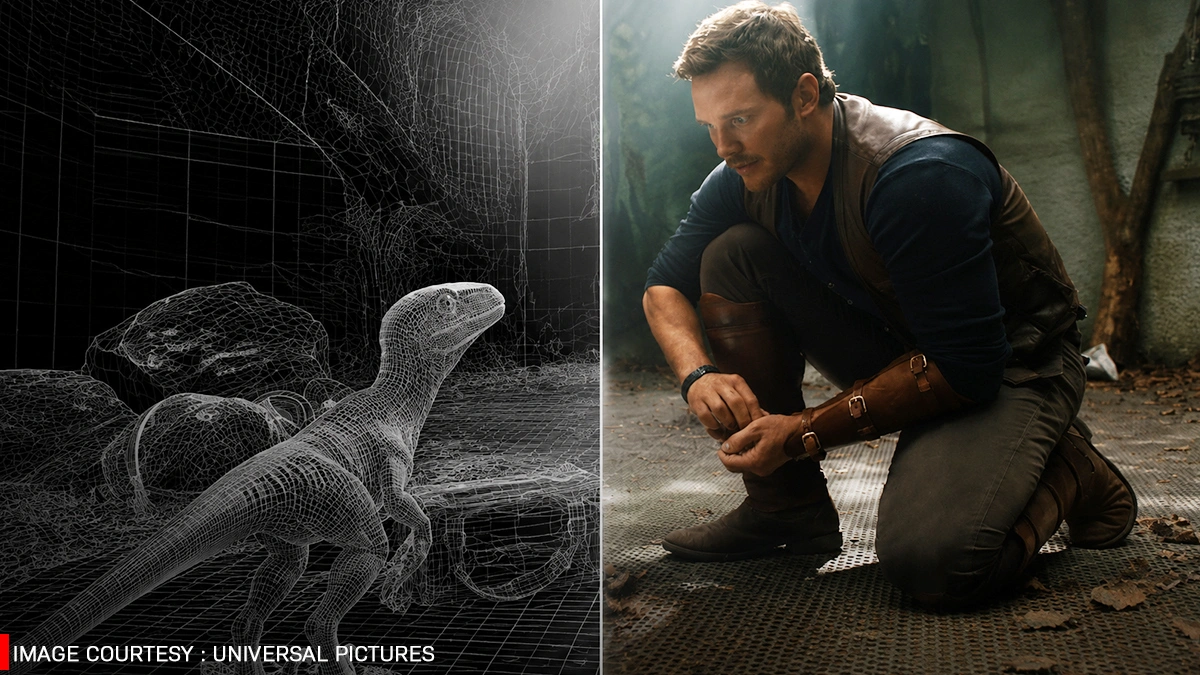
For more than a century, Hollywood has evolved alongside technology. Every major breakthrough has changed the way stories are told on screen. Sound transformed silent films. Color changed visual storytelling. Computer generated imagery redefined what filmmakers could create. Today, the industry is facing another major shift, and this time the conversation revolves around artificial intelligence. AI has become one of the most discussed topics in entertainment. While some see it as a revolutionary tool capable of unlocking new creative possibilities, others worry about its impact on jobs, originality, and the future of filmmaking. Regardless of where people stand in the debate, one thing is becoming increasingly clear: artificial intelligence is already influencing Hollywood, and its role is likely to grow in the years ahead.
One of the most visible applications of AI can be found in visual effects. Modern films rely heavily on digital technology to create worlds, characters, and action sequences that would be impossible to achieve through traditional methods alone. AI powered tools are helping artists work more efficiently by automating certain technical tasks, improving image quality, and accelerating production timelines. Filmmakers are also using AI to enhance virtual production techniques. Recent advancements have made it possible to create realistic digital environments that can be displayed in real time during filming. Instead of traveling to multiple locations around the world, productions can simulate complex settings using advanced digital technology. This approach saves time, reduces costs, and gives directors greater creative flexibility.
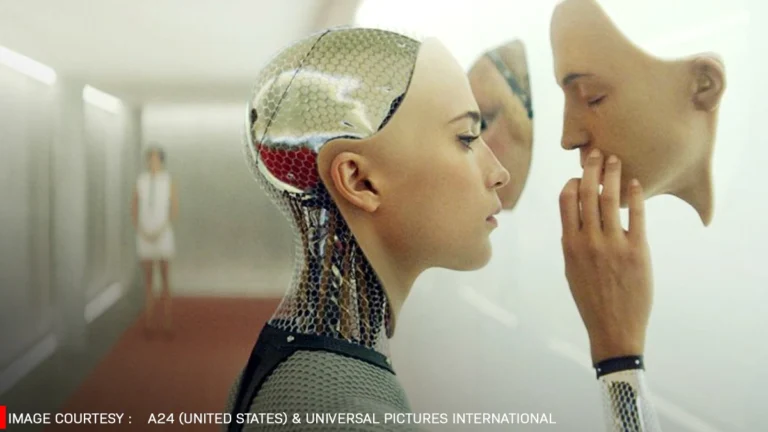
Another area attracting significant attention is digital character recreation. AI assisted systems can help create younger versions of actors, restore archival footage, or generate highly realistic digital performances. While these technologies remain controversial in some cases, they have demonstrated how artificial intelligence can expand storytelling possibilities beyond traditional limitations. The use of AI extends beyond visual effects. Some studios are exploring how artificial intelligence can assist with script analysis and audience research. By processing large amounts of data, AI systems can identify storytelling patterns, audience preferences, and market trends. These insights may help producers make more informed decisions about future projects.
However, many industry professionals argue that creativity cannot be reduced to data alone. Great films often succeed because they take risks, challenge expectations, and present ideas that no algorithm could predict. For this reason, most experts believe AI is more likely to function as a supporting tool rather than a replacement for human creativity. The discussion surrounding AI became even more prominent during recent debates about the future of creative professions. Writers, actors, and filmmakers have expressed concerns about how artificial intelligence might affect employment opportunities within the industry. Questions surrounding ownership, intellectual property, and creative control remain at the center of ongoing conversations. Supporters of AI argue that every major technological advancement has faced resistance before eventually becoming part of the filmmaking process. They point out that digital editing, computer generated imagery, and advanced visual effects were once viewed with skepticism. Today, those technologies are essential components of modern filmmaking.
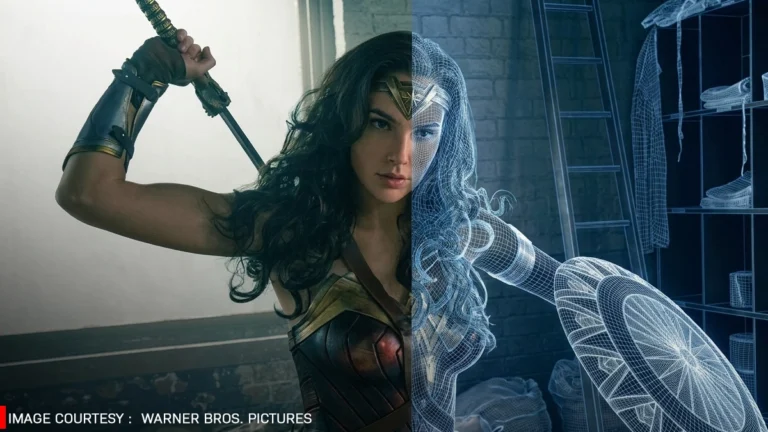
Critics, however, emphasize that artificial intelligence presents unique challenges. Unlike previous tools, AI has the potential to generate content that resembles human created work. This raises important questions about artistic value, authenticity, and the role of human creators in future productions. Despite these concerns, many filmmakers are choosing a balanced approach. Rather than viewing AI as either a miracle solution or an existential threat, they see it as a tool that must be used responsibly. The goal is not to replace creative professionals but to enhance their capabilities and allow them to focus on the aspects of storytelling that require imagination, emotion, and human insight. The influence of AI is also reaching independent filmmakers. Tools that were once available only to major studios are becoming more accessible, allowing smaller productions to experiment with advanced technology. This could help level the playing field and provide emerging creators with new opportunities to bring ambitious ideas to life.
Looking ahead, artificial intelligence is likely to become a regular part of the filmmaking process. Its exact role will continue to evolve as technology improves and industry standards develop. Some applications may become commonplace, while others may face limitations based on ethical or creative considerations. What remains certain is that Hollywood is entering a new era. The relationship between technology and storytelling has always shaped the evolution of cinema, and artificial intelligence represents the latest chapter in that story. Whether audiences embrace these changes enthusiastically or cautiously, AI will continue to influence how movies are made, distributed, and experienced. The future of Hollywood may not be defined entirely by artificial intelligence, but it will almost certainly be shaped by it. As filmmakers, studios, and audiences adapt to this rapidly changing landscape, the conversation surrounding AI is likely to remain one of the most important topics in the entertainment industry for years to come.